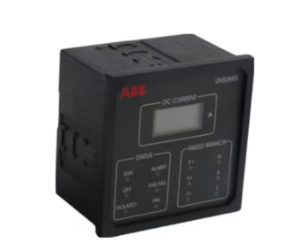


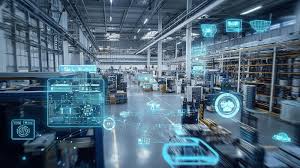
Industrial automation has rapidly evolved over the past few decades, but as we step into 2026, it is no longer just a futuristic concept—it has become a cornerstone of modern manufacturing, production, and industrial operations. From small factories to global manufacturing giants, automation is reshaping how industries operate, helping businesses achieve efficiency, safety, and competitiveness like never before.
What is Industrial Automation?
Industrial automation refers to the use of control systems, such as computers, robots, and information technologies, to handle different processes and machinery in industries without or with minimal human intervention. Instead of relying solely on manual labor, industrial automation allows machines to perform repetitive, complex, and precision-driven tasks with greater consistency and speed.
At its core, industrial automation integrates hardware (like robotic arms, sensors, and actuators) with software systems (like AI-driven control platforms, PLCs, and IoT networks) to optimize industrial operations. This technology is widely used in industries such as manufacturing, automotive, pharmaceuticals, energy, and food processing.
Why Industrial Automation Matters in 2026
As we move deeper into 2026, industrial automation is no longer optional—it has become essential for businesses that want to stay competitive. Here’s why it matters so much today:
- Boosts Efficiency and Productivity
Automation allows factories and plants to operate 24/7 without breaks, reducing downtime and increasing output. Machines can work faster and more accurately than humans in repetitive tasks, which directly translates into higher productivity. For example, automated assembly lines in automotive manufacturing can produce hundreds of vehicles a day without compromising quality.
- Improves Quality and Precision
Human errors are inevitable, but automation ensures consistent and precise performance. Sensors and AI algorithms can detect even the smallest defects in products, ensuring that quality standards are met. This is particularly crucial in sectors like electronics and pharmaceuticals, where precision is non-negotiable.
- Enhances Safety in Workplaces
Certain industrial tasks involve hazardous conditions, such as handling toxic chemicals, heavy machinery, or high temperatures. Automation reduces the risk to human workers by assigning dangerous tasks to robots or automated systems. This not only saves lives but also reduces workplace injuries and associated costs.
- Cost Savings Over Time
While the initial investment in automation can be high, the long-term benefits outweigh the costs. Reduced labor costs, lower error rates, less waste, and optimized energy usage collectively improve the bottom line. Companies that adopt automation early are likely to enjoy significant financial advantages by 2026.
- Supports Sustainability and Green Initiatives
In 2026, environmental sustainability is more than a trend—it’s a requirement. Automated systems can optimize resource usage, reduce waste, and minimize energy consumption. Smart sensors and AI-based analytics help industries make data-driven decisions to lower their carbon footprint while maintaining productivity.
- Enables Advanced Data Analytics and AI Integration
Industrial automation isn’t just about machines replacing humans; it’s also about smart systems that collect, analyze, and act on data. Modern factories leverage AI and IoT to monitor performance in real-time, predict maintenance needs, and optimize supply chains. This data-driven approach empowers businesses to respond quickly to market changes and customer demands.
Real-World Examples of Industrial Automation
Automotive Manufacturing: Companies like Tesla and Toyota use automated robots for assembly, welding, and painting, ensuring high-quality vehicles produced efficiently.
Food & Beverage: Automated bottling and packaging lines reduce contamination risks while increasing production speed.
Pharmaceuticals: Robotics handle sensitive drug formulations, improving accuracy and compliance with strict safety standards.
The Future of Industrial Automation in 2026 and Beyond
The next frontier of industrial automation is “smart automation,” where AI, machine learning, and IoT work together to create self-optimizing factories. By 2026, businesses that adopt these technologies will not only improve productivity but also gain insights that drive innovation. Automation will no longer just be about replacing manual labor—it will be about enhancing human capabilities, creating safer workplaces, and building sustainable industries.
In conclusion, industrial automation is transforming industries across the globe, and its importance will only grow in 2026. For businesses, embracing automation is not just a technological upgrade—it’s a strategic move toward efficiency, safety, and long-term competitiveness.
About Techy Hussain: Techy Hussain is passionate about technology trends, AI, and industrial innovations. Through expert insights, he helps businesses and tech enthusiasts stay ahead of the curve in a rapidly evolving digital world.
For more insights on industrial automation and technology trends, visit www.techyhussain.com
or contact us at +91-9911645145